Hi everyone,
My name is Sean Allen and I’m a licensed professional engineer working in the water resources industry. This post explores my GIS journey, things I’ve learned, and what I’m looking forward to with the future of GIS. I have 5 years of experience, primarily in the application of data analytics and data engineering although my educational background is in stormwater modeling.
As I began my career, I was able to get involved in projects throughout the water resources industry, including wastewater asset management and citywide master planning for water demand. Most of these projects had a "hint" of GIS but the more I worked in it, the more I began to feel it was going to become the main character of my career. Before long, I realized how deeply I enjoy the time I get to spend solving a new problem with Python or finding ways to maximize the capabilities of Esri technologies such as ArcGIS Dashboards and ArcGIS Experience Builder.
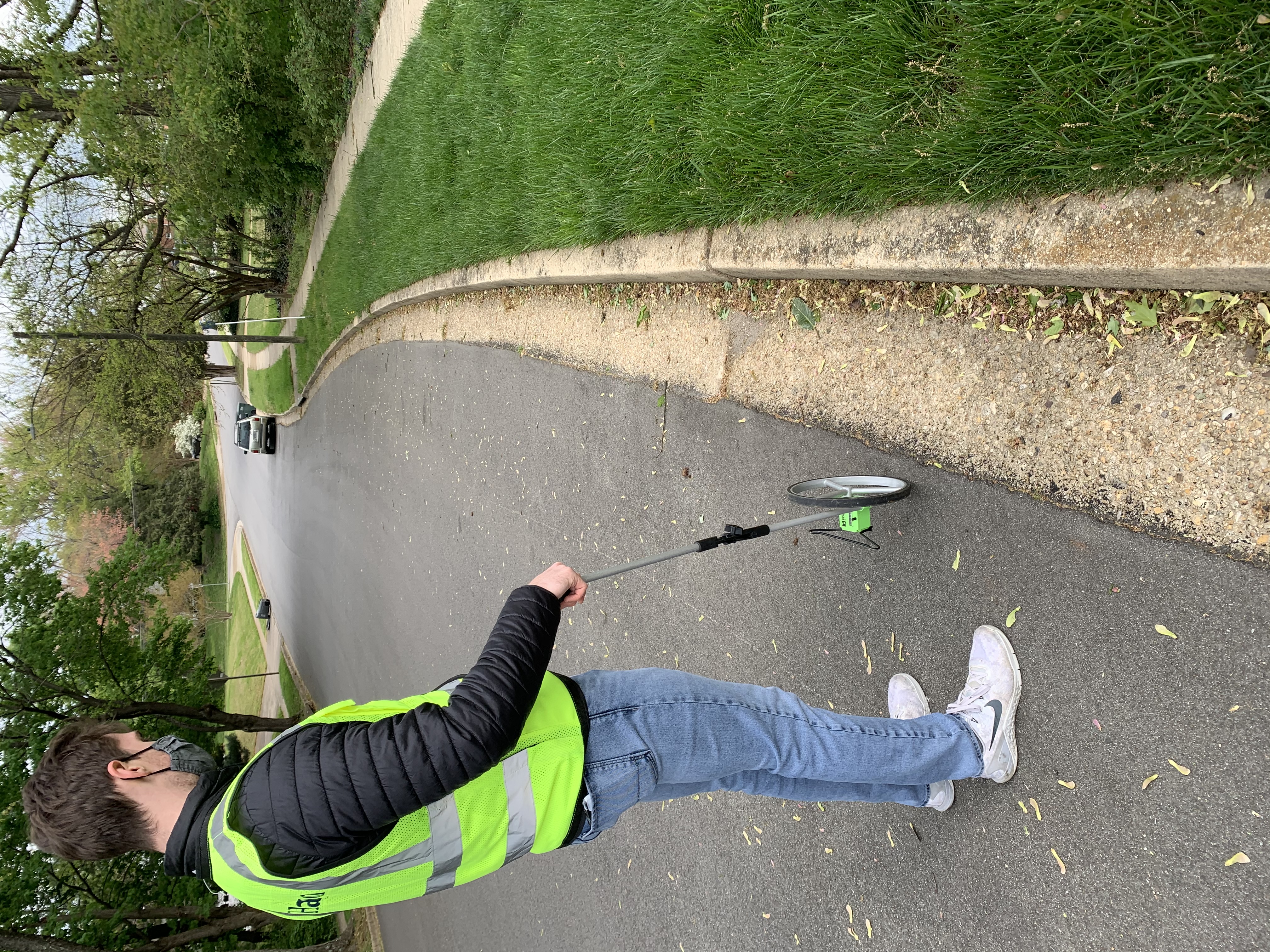
Most recently, I’ve been involved in a nationwide effort to identify and replace lead and certain galvanized iron pipes to eliminate the health impacts of lead in our communities. The latest version of this regulation is the Lead and Copper Rule Revisions which went into effect on October 16th, 2024. In the years prior, my colleagues and I worked with utilities across the country to prepare inventories of their service line materials most often involving geoprocessing and tabular methods.
Esri's Lead Service Line Solution provided a springboard for these projects with a bundle of out-of-the-box web applications for managing the identification, replacement, and community outreach. Through these projects, I've been able to greatly increase my skill set in developing databases and applications in ArcGIS Online and tying it all together for involved stakeholders such as field workers, project managers, analysts, and the public.
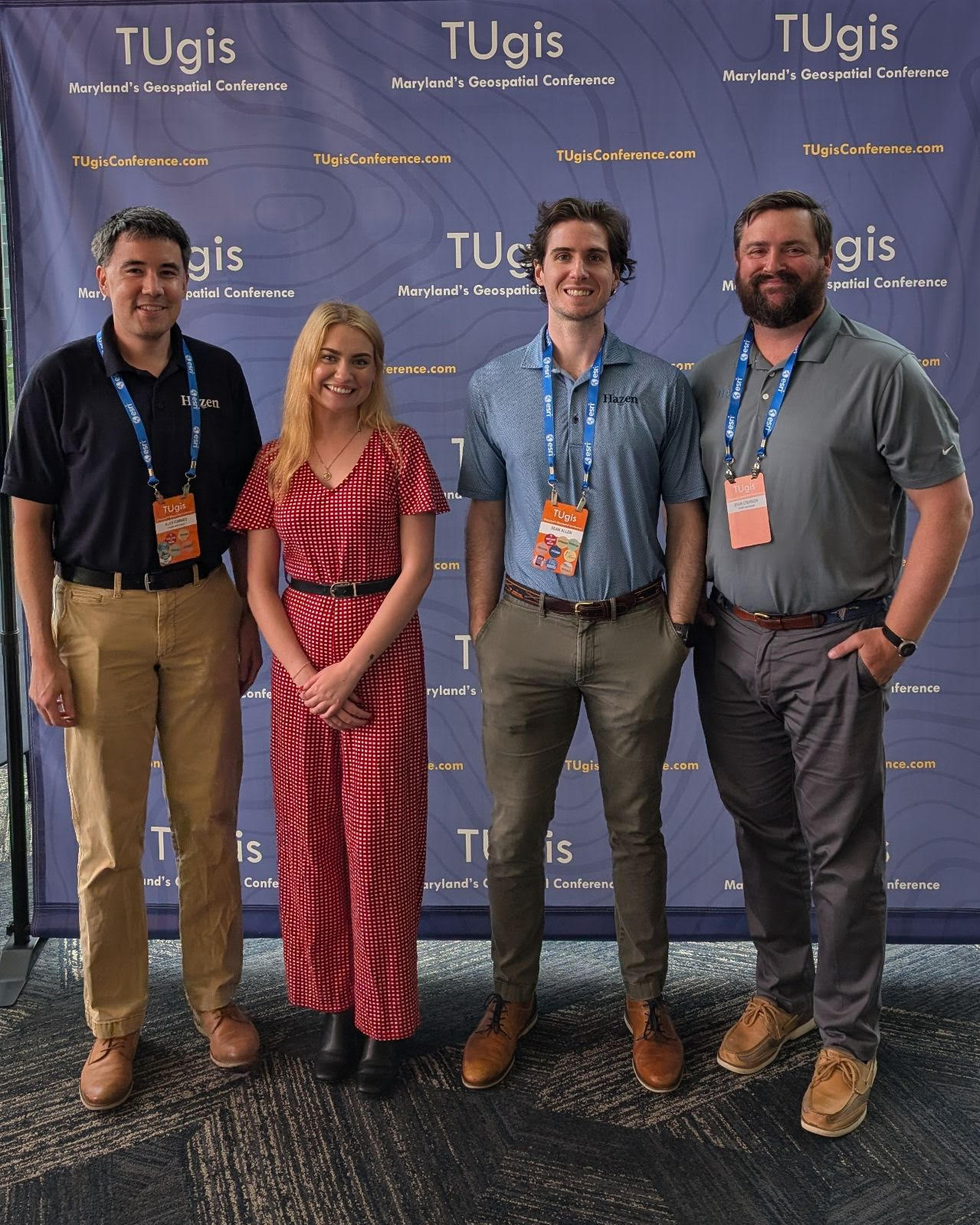
This year, I had the pleasure of presenting the applications I developed for Baltimore City & County at Towson University's TUGIS conference in Maryland.
Entering 2025, I'm excited to continue my work on Lead and Copper projects as we gear up to identify remaining unknown pipes, replace those in need, and meet future regulation requirements going into effect in 2027. Additionally, I'm seeing a greater need to automate and integrate web-GIS with other software and across organizations and I'm hoping to master these techniques and pave new ways to efficiently deliver projects.
I'm happy to be in Esri's Young Professional Network and if anyone is interested in connecting, here is my LinkedIn profile.