Fresh out of grad school last summer, I was entirely uncertain about what I wanted the next chapter of my life to look like. I was dragging my feet on applying to jobs, and to be honest, I was very much in denial that I needed to actually face the real world. At the same time, I was determined that my next chapter be something that lights me up.
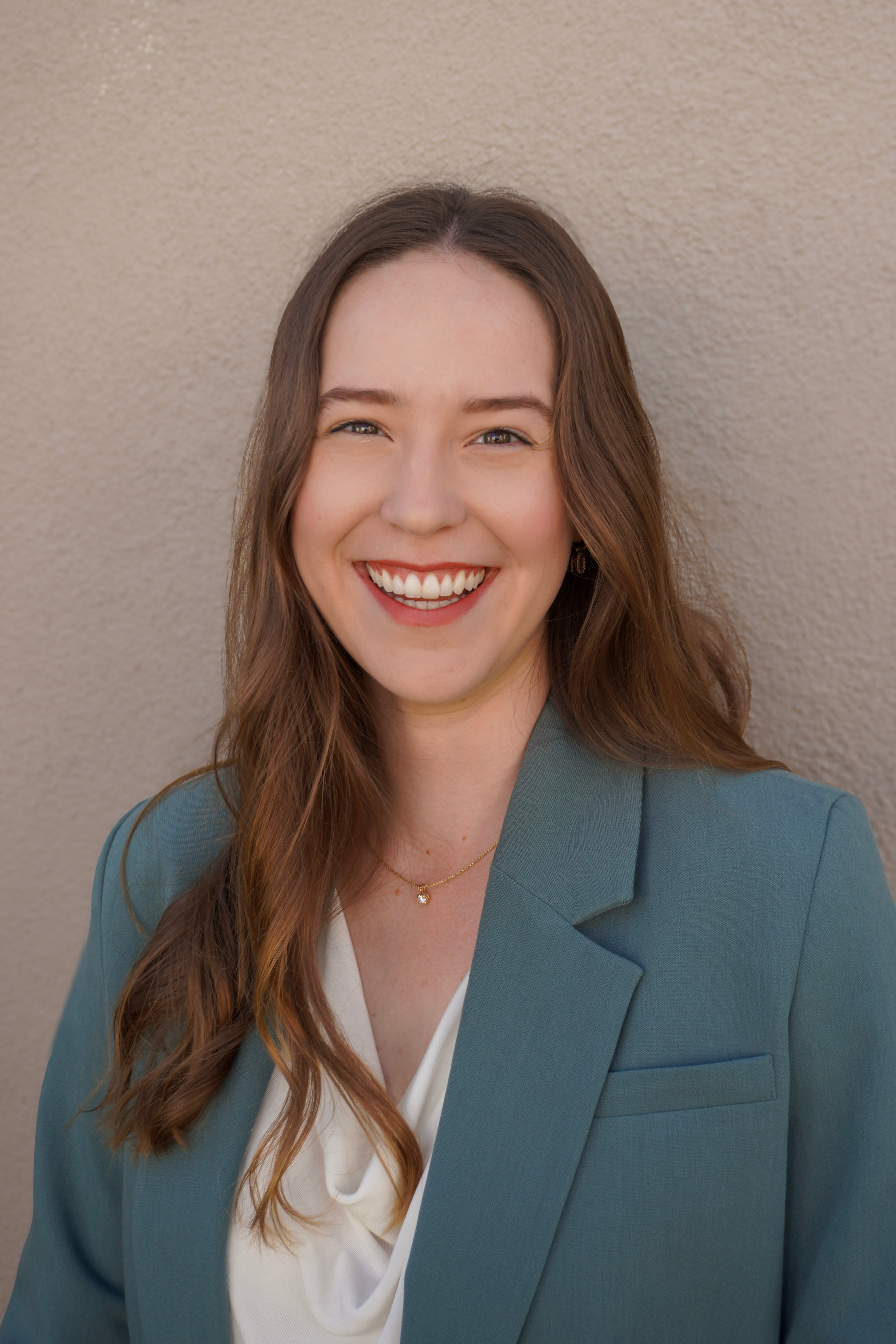
My name is Vivian Leilani Shay, and I graduated last year from Stanford University’s Earth Systems Program in the Doerr School of Sustainability (M.S.’25, B.S.’24). A few weeks after graduation, I was telling my GIS mentor Diana Moanga how anxious I felt about my future.
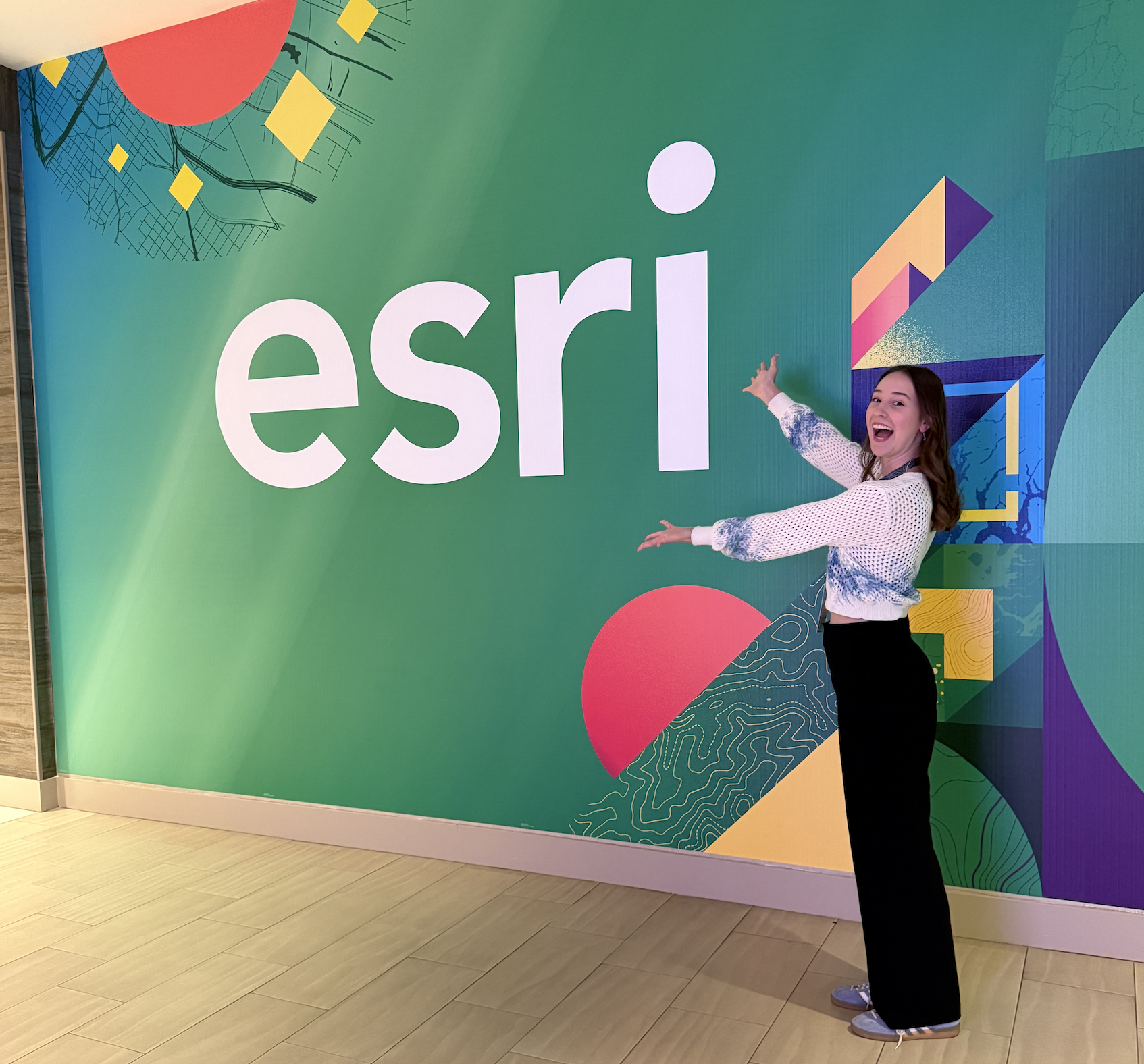
I explained how I missed the structure of school but also wanted to make the most of the freedom that comes with post-grad unemployment, while still being able to pay my student loans. Diana wisely suggested that I attend the 2025 Esri User Conference (UC) with her, and I decided it would be the jump start I needed.
Fast forward to today: I spend my days in ArcGIS Pro as a GIS Analyst for Langan Engineering and Environmental Services, I have my GISP-E certification, and I have been invited to return to the 2026 Esri User Conference to speak on a panel for the Esri Young Professionals Network (YPN) session “The Power of Saying Yes to Opportunities.”
It’s safe to say a lot has happened in the last year… so if you are currently in the midst of a job search (or don’t even know where to start), here are some things to keep in mind that helped me go from a recent grad at the 2025 Esri UC to a fully-employed GIS Analyst speaking at the 2026 Esri UC.
Articulate Your Intention
If there’s one thing my mom has ingrained in my mind, it is the power of articulating your intention: being crystal clear about what exactly you are looking for, and speaking it out loud.
To be fair, this is very daunting when you’re fresh out of university. Even with internship experience or specific research interests, it can be challenging to pinpoint what you really want. After all, it’s the first time in your adult life where the next choice is entirely yours to make.
You have no option but to be brutally honest with yourself, and the questions can get overwhelming. Where do I want to live? Do I want public or private sector? How much will I need to earn to live comfortably? What keywords should I even search for on LinkedIn and Indeed?!
One afternoon sitting in a diner at lunch, I decided to write down what my perfect day would be if I could truly do anything. I grabbed a pen and my paper napkin. After all, the best ideas are always written on paper napkins. This is what I came up with:
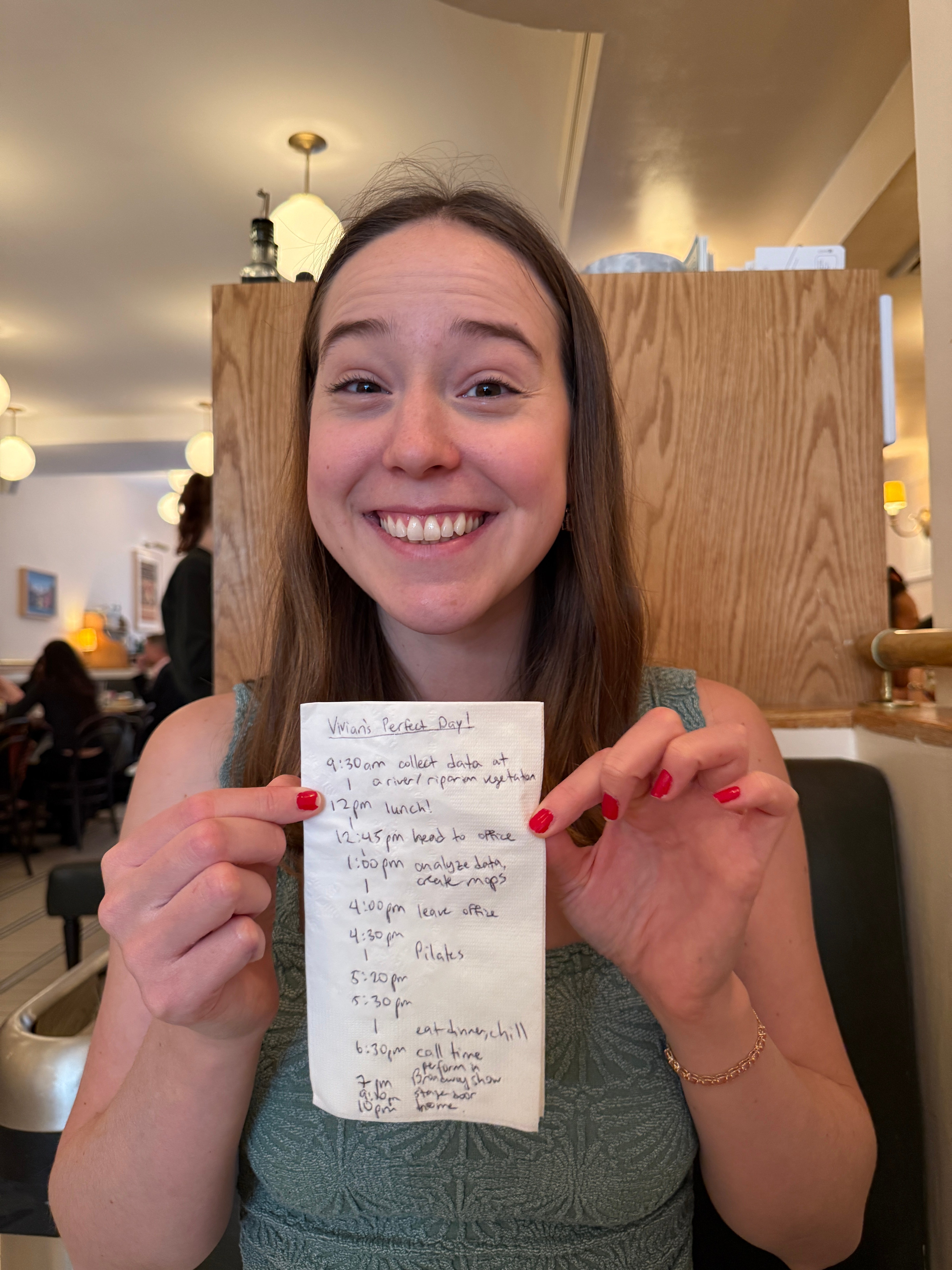
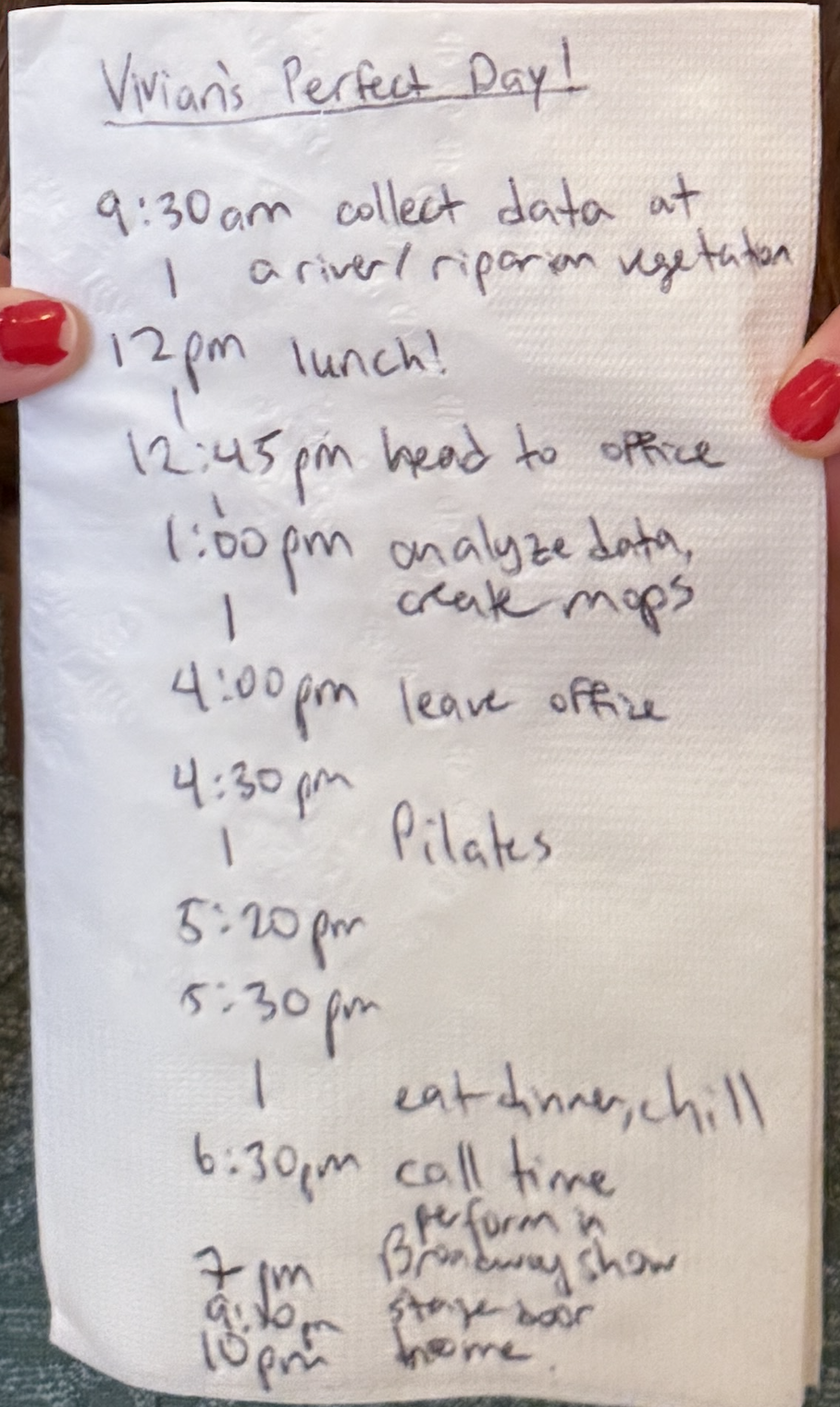
I know, I know. Collecting data in the field, mapping said data, then going and taking a Pilates class before performing in my Broadway show that night? It might not be the most sustainable daily schedule. But it had everything I love wrapped into one day, so it was a good place to start.
This small exercise told me a lot:
- I need to be near nature and have a field component to my work
- I also want the comfort & community of office space, as well as the joy of making maps
- I need to have an outlet for my creative practice outside of my intellectual work
All of those factors helped me focus my search and better evaluate which opportunities felt right for me. I’d love to hear from you in the comments: What does your paper-napkin-worthy probably-impossible-but-perfect day look like?
Develop Your GIS Portfolio
After attending a YPN webinar on developing a compelling GIS portfolio, I got straight to work polishing up my digital materials. I designed a new section on my personal website dedicated to my GIS experience. I went to a coffee shop and worked through some project ideas that had been in the back of my mind. I took an Esri tutorial on Arctic Sea Ice Extent and put a twist on the analysis so that I could gain practice using Model Builder. All of this work also helped give structure to my days, which otherwise felt vacuous.
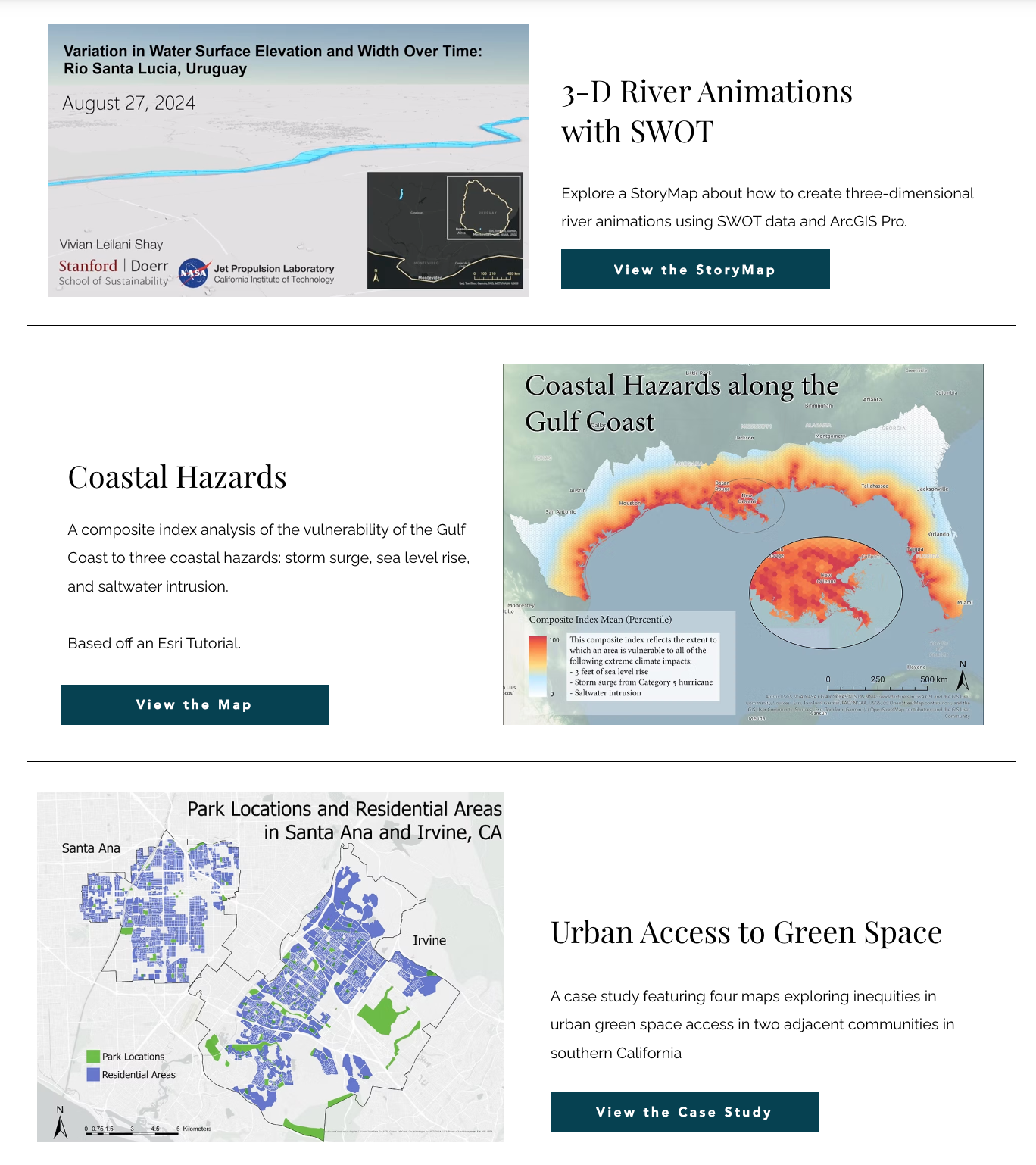
Developing your GIS portfolio is also more than preparing a collection of your work or building technical skills: it’s also about being ready at a moment’s notice to offer materials that genuinely represent you. Similar to the paper napkin exercise, my mom encouraged me to write a cover letter that isn’t tied to any one job posting, but simply articulates who I am, the work I want to be doing, and why I want to do that work. All of a sudden, I had a document I could send to anyone in my network to ensure they know exactly what I was looking for, so that they could better connect me with helpful resources or important people.
Speaking of help…
People Want to Help You, So Let Them
While it’s understandable to want to do it all alone, working your network is the single best thing you can do to amplify your reach during a job search. You never know who people know, so be kind to everyone and ask for help when you need it. Folks of an older generation know that who you know can go very far, so they are eager to connect you with people they know in your field. Meanwhile, folks of a younger generation understand how hard it is to stand out in the current job market, and are often willing to hop on a 30-minute call with you. Point being: everyone is willing to help.
Most importantly, YOU have to be OPEN to meeting people, connecting with them, and advocating for yourself. Often, those moments come when you least expect them. For example, I first learned about Langan because I happened to be seated for dinner next to a woman who works for the firm. From a simple hello that night, I now produce geospatial figures for her on a daily basis.
Master the Art of Reaching Out
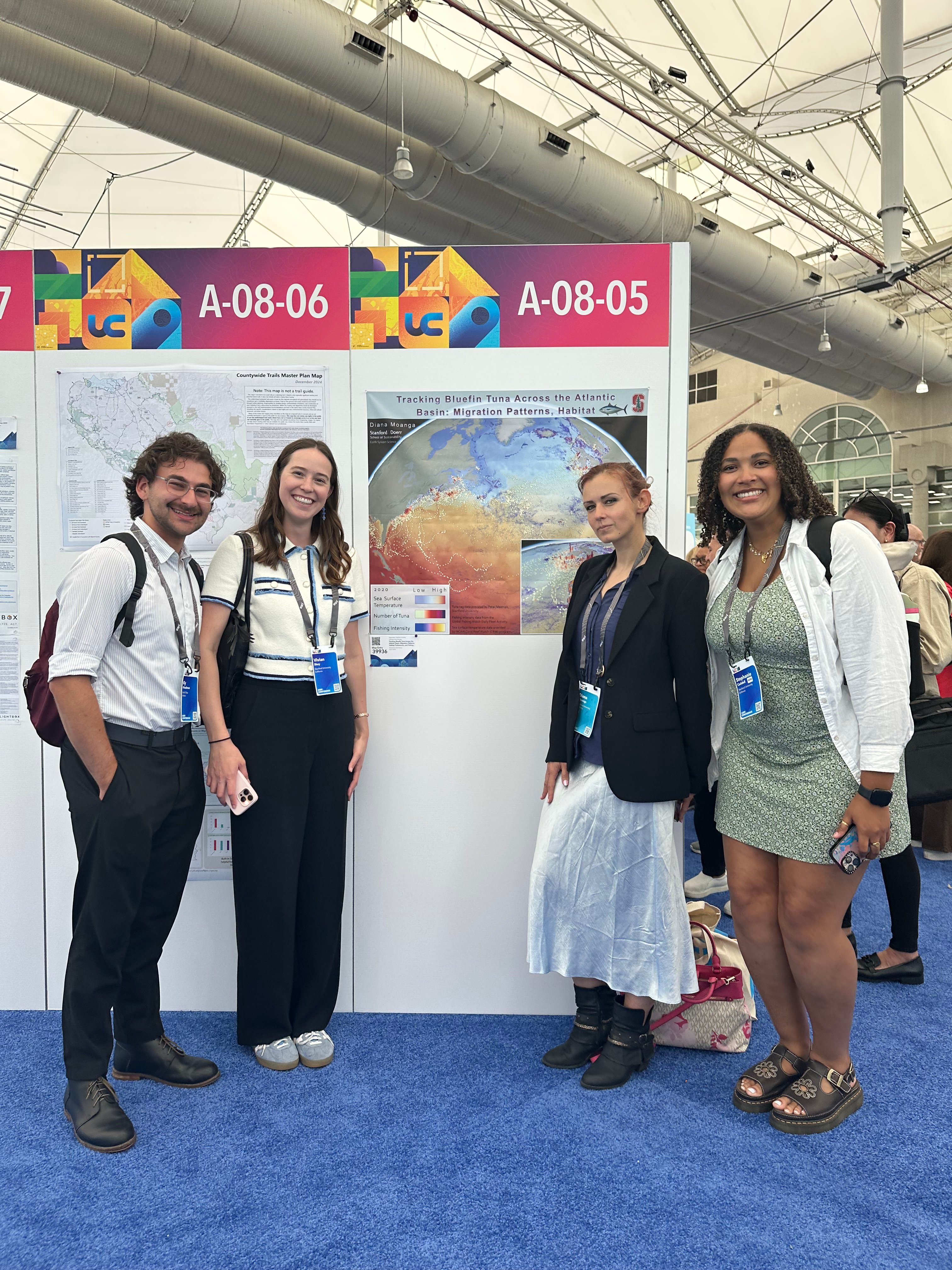
Sending “cold emails” can feel scary, but you’ll feel much more comfortable the more you send them. During the pandemic, I joined a community group called The Reach Out Party. Inspired by Molly Beck’s book ‘Reach Out,’ Carly Valancy taught us the elements of a great ‘reach out’ and challenged us to email one new person every day for 21 days. I brought this practice into my job hunt, and it has led me to connect with some really fabulous people.
My number one tip for reaching out? Don’t ask if they can help you, ask about their journey. I guarantee you can find value from every person’s journey, even if their field isn’t quite what you want to do. For instance, I had lunch with a woman who used to work in film and TV. Was she able to give me guidance about a career in geospatial? No. But she gave me insight into how she found success as a woman in a male-dominated field. There is truly something to learn from everyone.
Before you reach out, I recommend that you do a bit of internet research to find a shared connection that you can use to help organize your email. Perhaps it’s a shared hobby, shared education, or even just a shared research interest. I also feel it has to be said: you don’t have to feel awkward about looking at someone’s LinkedIn. Sometimes I felt like I was invading someone’s privacy by researching them and reaching out in a way that makes it evident I googled them. But I continue to remind myself that company biographies and LinkedIn posts are literally meant to help you learn more about someone’s professional career. That person wrote everything they posted, likely in hopes that young folks with shared values would reach out to them.
Take the GISP-E Exam
When I was at the 2025 Esri UC, Logan Stevens, Advisory Board Member for Esri YPN, told me about a new program from the GIS Certification Institute called the Emerging GIS Professional Certification (GISP-E). While the highly-respected GISP certification requires four years of professional experience, a portfolio, and an exam, the new GISP-E requires only a 75-question exam and is geared towards recent graduates looking to establish themselves in the industry with a professional certification.
I registered for the exam and treated studying like a full-time job. I scheduled goals, combed through extensive online study guides, took handwritten notes, and made flashcards. I even listened to YouTube videos about projected coordinate systems while driving.
It all paid off, because not only did I earn that certification, I also helped my team at trivia night on the question “What is the geographic center of the contiguous United States?” Well duh, it’s Meades Ranch, Kansas. Easy peasy.
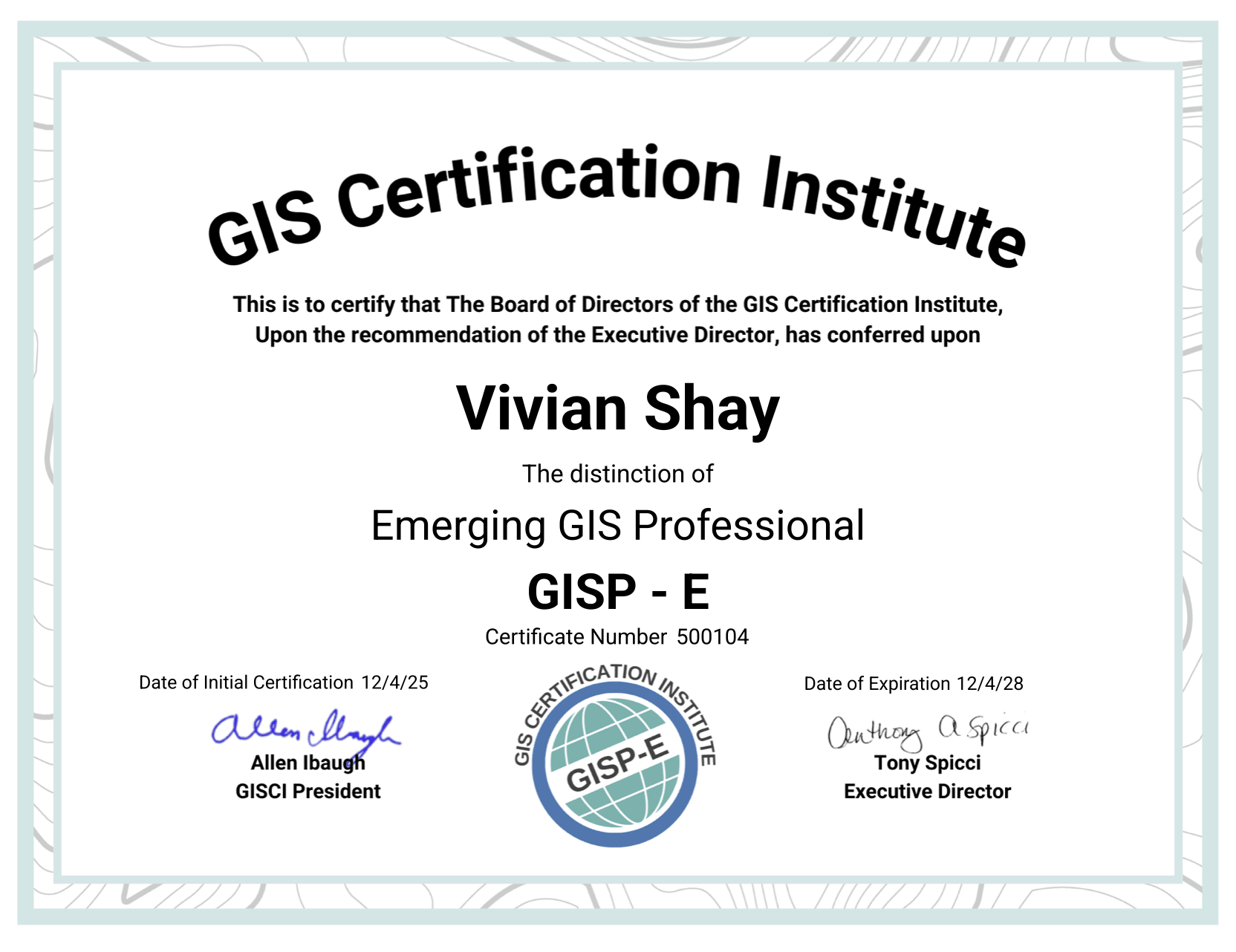
Ultimately, the act of studying for the exam, taking it, and earning my certification made me feel much more confident as a job applicant. It felt reassuring to have something tangible I could point to as proof of my proficiency. Certifications like the GISP-E can also come in handy in job interviews where you are interviewing with folks who are not in GIS, because it signals to them that you know what you’re talking about—even if they don’t.
Find the job postings that light you up—then show up like you already deserve to be there
One day while scrolling through government job postings, I came across an opening for a GIS role within an environmentally-oriented state commission. It seemed perfect for me: one of the first opportunities where I could really envision myself in the role. I submitted my application a day later, and soon realized that their next public commission meeting was in two days in the very city I was visiting. I sat through the entire 4-hour meeting with a notebook and every ounce of my attention. I ended up meeting four or five commission staff members that day, just by showing up.
One woman was particularly impressed by my initiative and offered that I email her every month to check in and see if there were any new ways she could help. I made sure to follow up, but was careful to not make big requests like asking her to put in a good word for me. Because I was consistent and respectful of professional boundaries, my name had already been in their orbit when a similar posting opened up in her division. I was quick to apply.
Truth be told, I was not offered an interview for either of those jobs. But it doesn’t matter. I showed up. I walked in confidently. I followed up. And most importantly, I made sure to not overstep. Instead, I laid a groundwork for them to hopefully support me down the line.
Keep People in the Loop
Once you’ve spent all this time building your network, you have to maintain your momentum. Networking is a continuous process, and reaching out doesn’t stop after you got coffee together one time. It’s crucial to keep people posted on your wins. It might feel to you like you are bragging, but it won’t read that way to them. At this point, you’ve already got them in your corner. Thank them for their support and let them celebrate you—and then let them help you even further.
After all, I sent a thank-you email sharing my wins and ended up with an offer to speak on a panel at the 2026 Esri User Conference. Opportunities are truly everywhere, and they have a funny way of multiplying! You just have to be brave enough to go after them.
Let's Connect
Please connect with me on LinkedIn or reach out at vivianleilani@gmail.com to chat more. And of course, I invite you to attend the YPN session “The Power of Saying Yes to Opportunities” at the 2026 Esri User Conference! I’m so glad I attended the conference last year, and I hope to see you there in July. Who knows? It just might change your life.